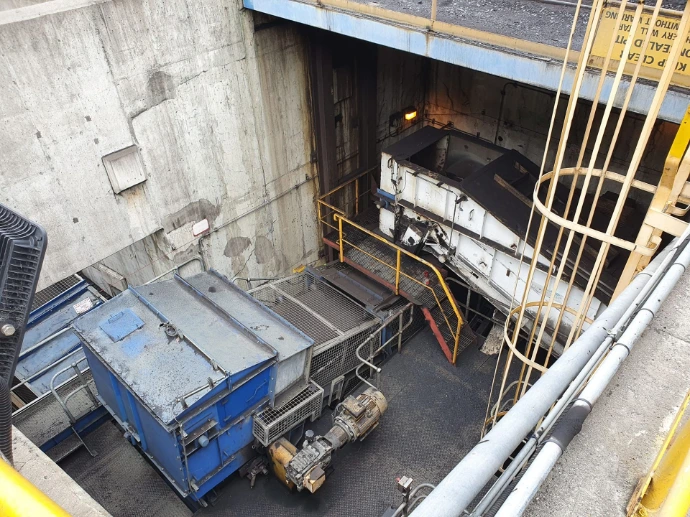
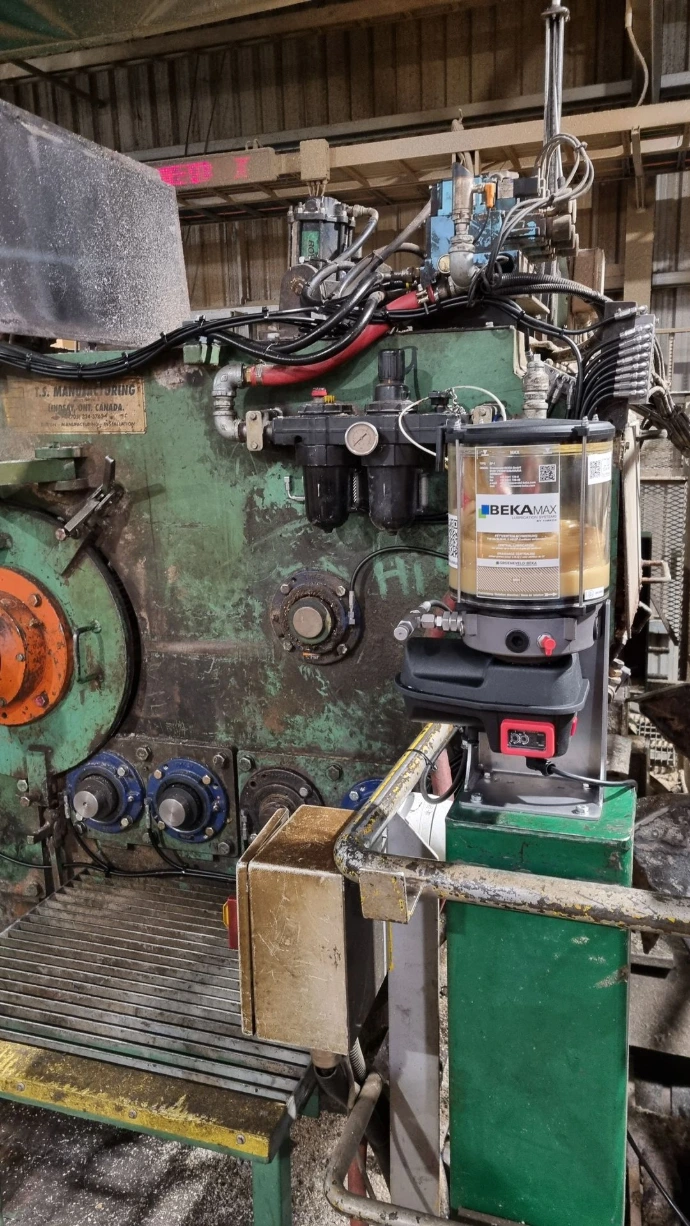
Automatic lubrication for manufacturing machinery
Help keep production lines, conveyors, packaging equipment, pumps, fans and other factory machinery consistently lubricated through long operating hours.
We match, install and calibrate Groeneveld-BEKA automatic lubrication systems for manufacturers, processors and industrial facilities.
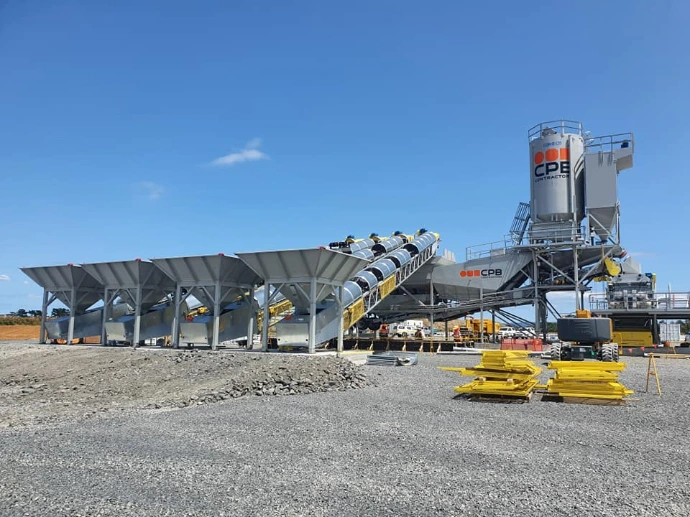
Equipment we keep lubricated
Automatic lubrication can be fitted to an individual bearing, a single machine, a production line or selected areas throughout a manufacturing facility.
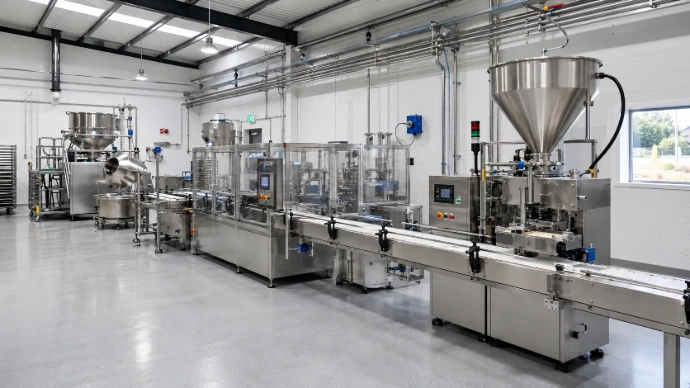
Production and processing machinery
- Mixers and processing equipment
- Presses, mills and forming machinery
- Cutting and specialist production equipment
- Timber and materials-processing machinery
- Filling and packaging equipment
- Machinery with multiple lubrication points
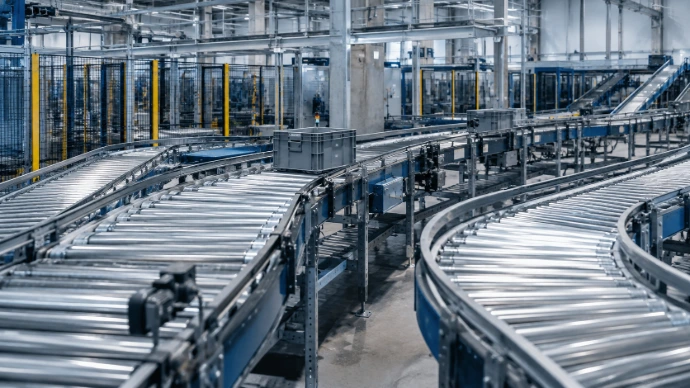
Conveyors and materials handling
- Belt and roller conveyors
- Chain conveyors
- Transfer systems
- Elevators and feeders
- Palletising and handling equipment
- Drive, pulley and bearing assemblies
Pumps, fans and auxiliary equipment
- Pumps and bearing housings
- Fans and blowers
- Electric motor bearings
- Chain drives
- Elevated or guarded bearings
- Isolated equipment around the site
Where automatic lubrication can make a difference

Difficult or unsafe access
Some lubrication points are behind guards, positioned at height or located close to moving machinery.
Automatic lubrication can reduce how often workers need to access these areas for routine greasing.

Different lubrication requirements across the plant
Manufacturing sites may include machinery requiring multi-point greasing, individual bearing lubrication or regular oil application to chains.
We can recommend different lubrication systems for different equipment rather than trying to run the entire site from one pump.
Production that runs across multiple shifts
Routine greasing can be difficult to schedule when machinery operates for long periods or across changing shifts.
Automatic lubrication supplies connected points at programmed intervals while equipment is operating.
Missed or inconsistent greasing
Lubrication tasks can be delayed during production pressure, shift changes or planned maintenance work.
A correctly calibrated system helps provide regular, measured lubrication to the points connected to it.
Recommended systems for manufacturing
The most suitable system depends on the machinery, lubricant, number of points, operating hours, available power and whether grease or oil is required.
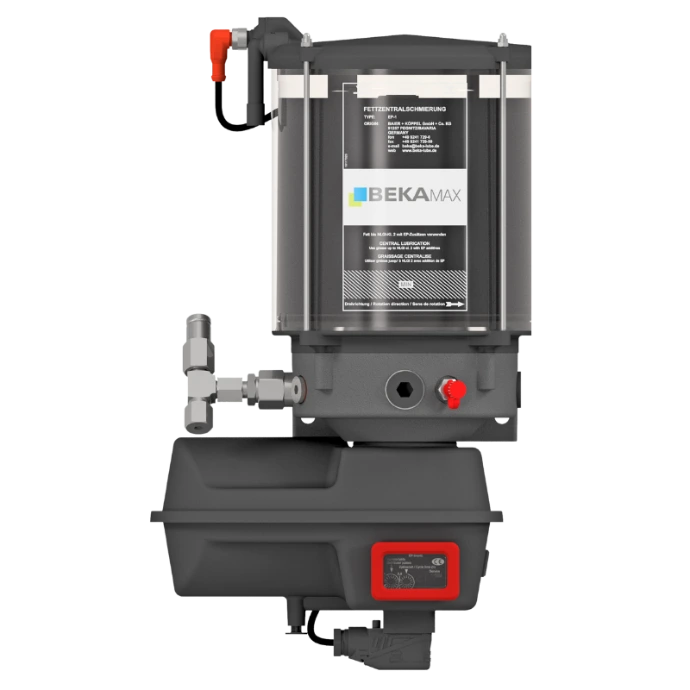
BEKA EP-1
Versatile greasing for production machinery and conveyors
A progressive automatic lubrication system suited to manufacturing machinery, conveyors, processing equipment and plant with multiple lubrication points.
The pump and progressive distribution layout can be configured around the machinery, operating cycle and reservoir requirements.
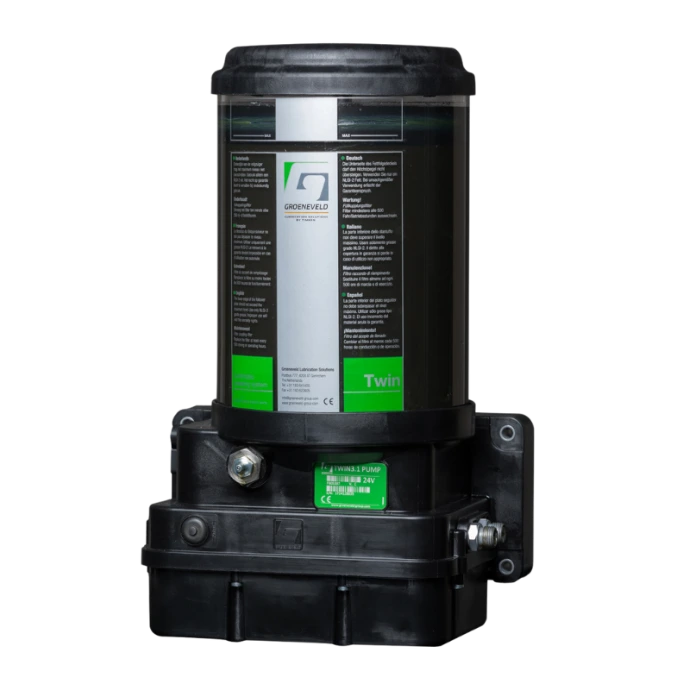
Groeneveld Twin
Heavy-duty greasing for extensive plant and long grease lines
A dual-line automatic greasing system suited to larger production machinery, processing plant and equipment with numerous lubrication points or longer grease lines.
Individual metering units allow different bearings and components to receive quantities selected for their lubrication requirements.
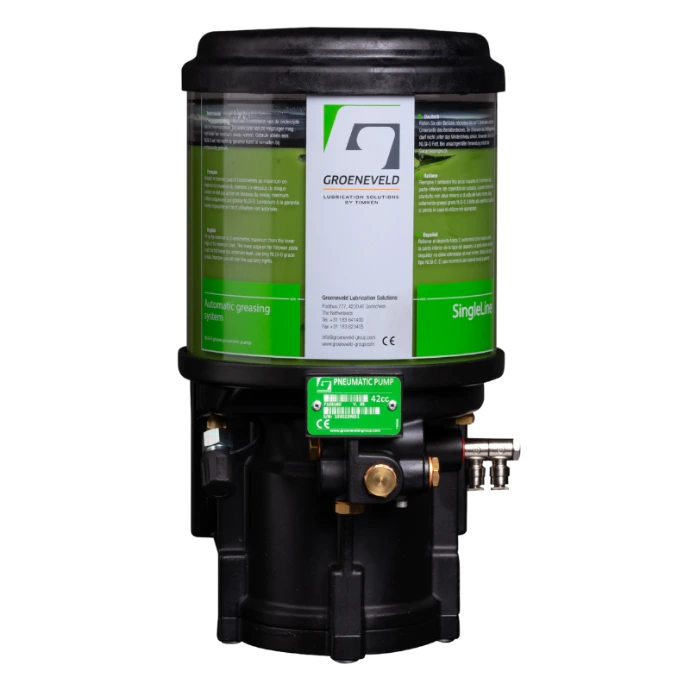
Groeneveld Singleline
Automatic greasing for suitable machinery and site equipment
A single-line parallel lubrication system that can be used on suitable manufacturing machinery, materials-handling equipment and mobile equipment operating around an industrial site.
Individual metering units deliver selected quantities of grease to each point connected to the system.
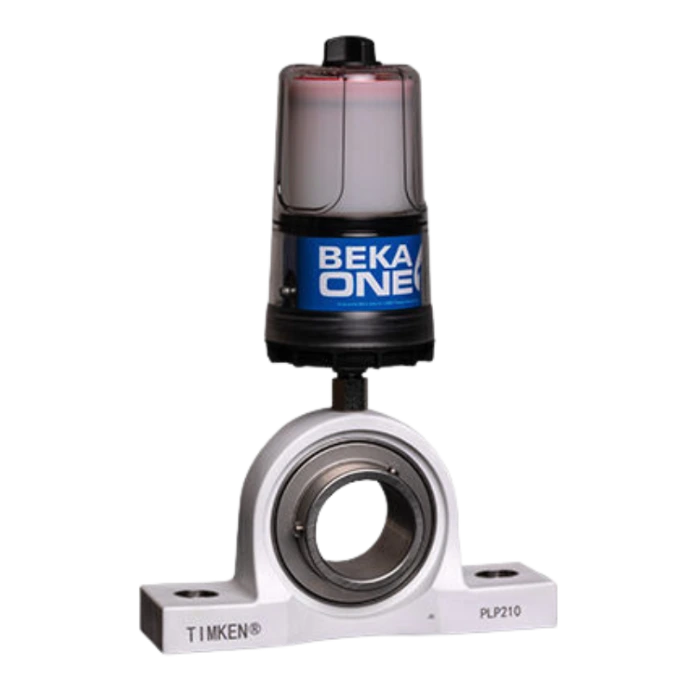
BEKA ONE
Reusable lubrication for individual bearings
A battery-powered single-point lubricator suited to individual bearings on pumps, fans, motors, conveyors and other equipment where a complete multi-point system is not required.
It can be mounted directly onto the lubrication point or remotely where the bearing is difficult to access.
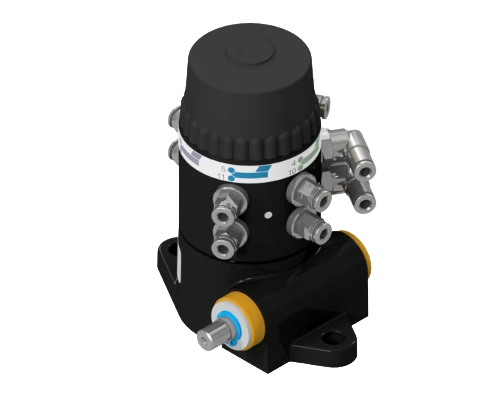
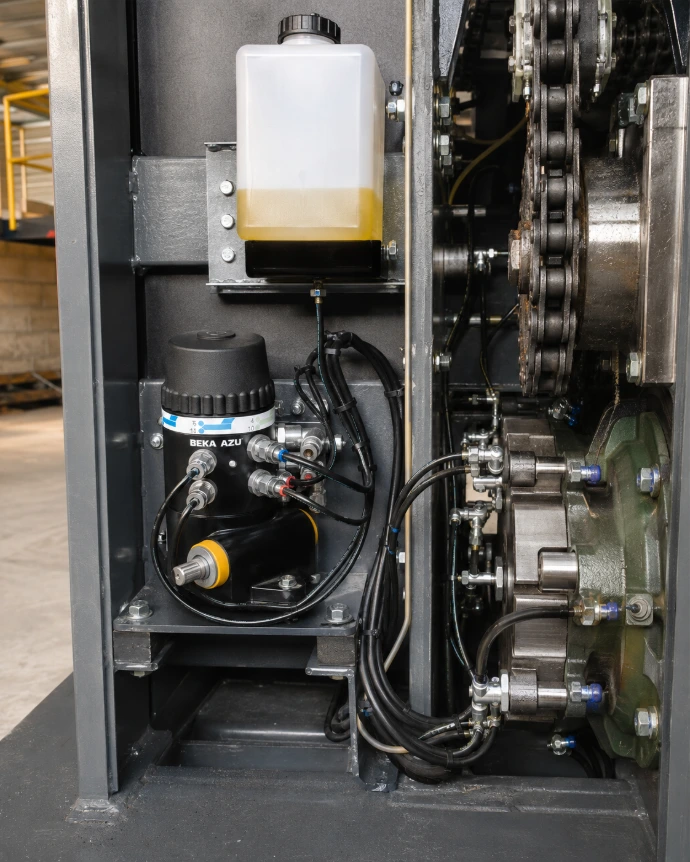
BEKA AZU
Automatic oil lubrication for chains and moving components
A compact multi-line oil lubrication pump designed for chains and other components requiring regular lubricant while the equipment is operating.
It can suit production machinery, conveyors and continuous chain-driven equipment where grease lubrication is not appropriate.
Our process in four easy steps
1
Assess
We review the machinery, lubrication points, operating hours, lubricant requirements and current maintenance process.
We also identify difficult-to-access points and any components that will remain manually lubricated.
2
Match
We select the pump, distribution method, reservoir, monitoring options and lubrication-line layout for the application.
Where different areas require different systems, we can design separate solutions for production machinery, individual bearings and chain drives.
3
Install
Our technicians install the system on site and route the lubrication lines around guards, moving components and existing plant structures.
Installation can be coordinated with maintenance work, production schedules or a planned shutdown.
4
Calibrate
We set the lubricant quantities and operating intervals, test the system and confirm that each connected point is receiving lubricant.
After commissioning, we can provide servicing, genuine parts and technical support.
FAQ
Our company specializes in consulting, product development, and customer support. We tailor our services to fit the unique needs of businesses across various sectors, helping them grow and succeed in a competitive market.
Yes. Automatic lubrication systems are commonly retrofitted to existing production machinery, conveyors and other plant.
We assess the available mounting space, lubrication points, operating conditions and access before recommending a suitable system.
Sometimes. The best arrangement depends on the number of lubrication points, distance between components, lubricant requirements, operating cycles and layout of the machinery.
For larger sites, the plant may be divided into separate lubrication zones. Some customers also install automatic lubrication on one production line at a time, allowing the system to be expanded in stages as their budget allows.
Yes. Suitable metering units or progressive distributors can be selected so bearings and components receive quantities matched to their lubrication requirements.
The system is calibrated during commissioning and may need adjustment if operating conditions change.
Yes. We can coordinate installation with a planned shutdown, maintenance period or staged access to different sections of the plant.
The equipment being worked on must be safely isolated during installation.
Selected systems can provide low-level warnings, pressure monitoring or fault indications.
The monitoring available depends on the pump, controller and system configuration. LSL will confirm the appropriate options during the design stage.
The reusable, battery-powered BEKA ONE may suit an individual bearing on a pump, fan, motor, conveyor or other isolated equipment.
It can be mounted directly onto the lubrication point or remotely where access is restricted.
Yes. Chains and other components requiring oil may be suited to a dedicated system such as the BEKA AZU.
The correct lubricant and application method depend on the chain, operating speed, environment and machinery requirements.
Only the lubrication points connected to the automatic system will be lubricated automatically.
Some components may remain manually lubricated because of their movement, lubricant requirements or maintenance schedule. We identify these points during the assessment and, where suitable, can install remote grease lines so they can be reached from a safer or more accessible location.
Cost depends on the system selected, number of lubrication points, reservoir size, monitoring requirements, installation access and amount of tubing and protection required.
LSL will assess the machinery and provide a tailored quote.
A correctly designed and calibrated system supplies measured quantities of lubricant at programmed intervals. This can help reduce avoidable over-greasing, excess lubricant use and grease build-up around machinery.
Some grease discharge around moving components may still be normal, and the system should be inspected if excessive grease is appearing.
Ready to improve reliability and reduce downtime?
Tell us about your production machinery, conveyors, processing equipment or difficult-to-reach lubrication points.